Lordship Lane Dulwich Upholstery Cleaning: What to Know Before You Book
If you are looking into Lordship Lane Dulwich upholstery cleaning what to know, chances are your sofa, chairs, or dining seats are starting to look a bit tired. Maybe there is a coffee mark that has been there for months. Maybe pet hair seems to have become part of the fabric. Or perhaps the room just feels less fresh than it used to, even after a tidy-up. Truth be told, upholstery can quietly hold onto everyday life in a way that carpets do not always reveal straight away.
This guide breaks down what upholstery cleaning involves, how it works, what to expect on Lordship Lane and across Dulwich, and how to avoid the common mistakes that can damage fabric or waste money. You will also find practical tips, a comparison table, a checklist, and a few straight answers to the questions people actually ask before booking.
Expert summary: good upholstery cleaning is not just about making fabric look better for a day. Done properly, it can help restore comfort, reduce odours, remove embedded dirt, and extend the life of furniture you use every single day. The key is choosing the right cleaning method for the material, the stain, and the condition of the item.
Why Lordship Lane Dulwich upholstery cleaning what to know Matters
Upholstery is one of those things you stop noticing until it begins to bother you. A sofa can look fine from across the room, then you sit down and realise the arms feel greasy, the cushions have dulled, and there is a faint smell that cleaning spray alone will not shift. That is usually the point where proper upholstery cleaning starts to make sense.
For homes around Lordship Lane in Dulwich, furniture often works hard. Busy family living, guests dropping by, pets hopping on and off the sofa, school bags dumped in the hall, and the usual cups of tea balanced a little too close to the edge. Over time, fabrics collect dust, skin oils, food crumbs, pollen, and airborne grime. None of that sounds dramatic, but it builds up quietly.
What you need to know is that upholstery cleaning is not one single process. The correct approach depends on the fibre, the stain, the age of the item, and whether it is a delicate fabric, a synthetic blend, or leather-like material that needs a lighter touch. A rushed clean can leave tide marks, shrinkage, flattened fibres, or lingering moisture. Not ideal, obviously.
That is why a proper understanding matters before you book. It helps you ask better questions, compare options properly, and avoid a service that treats all upholstery the same. In our experience, that is where customers save themselves the most hassle.
If you want to see the wider service picture first, it can help to look at the provider's general upholstery cleaning service and related care options such as sofa cleaning or stain removal.
How Lordship Lane Dulwich upholstery cleaning what to know Works
Most professional upholstery cleaning follows a clear sequence, even if the exact method varies. The main job is to loosen dirt without damaging the fabric or over-wetting the filling underneath. That balance matters more than people sometimes realise.
Here is the usual flow:
- Inspection - The cleaner checks the fabric type, the construction of the furniture, existing stains, and any weak seams or wear spots.
- Testing - A small hidden area may be tested first, especially on delicate or colour-sensitive fabrics.
- Pre-treatment - Spots, body oils, and heavily used areas are treated with suitable solutions before the main clean.
- Main cleaning - Depending on the item, this may involve hot water extraction, low-moisture cleaning, foam cleaning, or careful hand work.
- Rinse or residue reduction - The goal is to leave the fabric as clean as possible without sticky residue attracting dirt again.
- Drying advice - You are usually told how long to leave the room ventilated and when the furniture can be used again.
To be fair, the phrase "steam cleaning" is used quite loosely in everyday conversation. In practice, upholstery cleaning is often more controlled than true steam cleaning. Many fabrics are cleaned with hot water extraction or low-moisture methods rather than a blast of steam. That distinction matters because too much heat or water can cause problems.
A trained cleaner will also look at whether odours are coming from the surface or from deeper in the padding. A simple wipe-down will not fix a set-in pet smell, and that is where specialised treatments become useful. For stubborn smells, the site's pet stain and odour removal page gives a good sense of the kind of issues that can be tackled when the source is deeper than the visible mark.
Key Benefits and Practical Advantages
Good upholstery cleaning delivers more than a prettier sofa. Yes, that matters. But there are several practical advantages worth thinking about.
- Improved appearance - Colours look fresher and fabric textures stand out again instead of looking greyed or flat.
- Better comfort - Clean fibres feel softer and less greasy, especially on high-contact areas like armrests and headrests.
- Odour reduction - Everyday smells from pets, food, and general use can be reduced significantly.
- Longer furniture life - Dirt acts like grit. It wears fabric down gradually if left in place.
- Better home hygiene - Removing trapped dust and debris helps keep living spaces feeling cleaner overall.
- Smarter replacement decisions - Sometimes a well-cleaned sofa gives you another few good years, which is a lot cheaper than buying new.
There is also a psychological benefit, if we are honest. A clean sofa changes how a room feels. Suddenly the space looks looked-after rather than merely lived in. Small thing? Maybe. But you notice it the moment you sit down.
Practical takeaway: if your upholstery is structurally sound but looks dull, smells stale, or has visible wear from daily use, cleaning is often a sensible first move before considering replacement.
For households with mixed flooring and soft furnishings, upholstery cleaning often works best as part of a broader care plan that may also include carpet cleaning or rug cleaning. That way the room feels consistent, not half-done.
Who This Is For and When It Makes Sense
This kind of cleaning is not just for dramatic spills or end-of-tenancy panic. In fact, many people book it for much more ordinary reasons.
It tends to make sense if you:
- have a sofa or armchair that gets daily use
- notice body oils or grease marks on the arms and headrests
- live with pets and want to tackle hair, odour, or muddy contact points
- have children and the usual mix of snacks, juice, and mystery smudges
- are moving house or preparing for guests
- want to refresh a room without replacing the furniture
- manage rental or commercial seating that needs to look presentable
It also makes sense if the item is not yet "bad enough" to throw away, but it no longer looks or smells right. That middle ground is where upholstery cleaning earns its keep.
On Lordship Lane and in the wider Dulwich area, people often live with older furniture that still has good bones. Solid frames, decent fabric, maybe a little faded here and there. Cleaning can revive those pieces nicely, though it will not perform miracles on torn seams or worn-through arms. Let's face it, nothing can.
If the furniture is valuable, antique, delicate, or has special fabric, it is wise to ask about the cleaner's experience and insurance cover. The page on insurance and safety is useful reading before anyone starts work in your home.
Step-by-Step Guidance
If you want the best result, a bit of preparation goes a long way. Here is a practical way to approach upholstery cleaning from start to finish.
- Identify the furniture type
Check whether it is a sofa, chair, ottoman, bench seat, or dining chair. Note the fabric if you can, and look for care labels underneath cushions or on the frame.
- Describe the problem clearly
Be honest about stains, smells, pet damage, or any previous cleaning attempts. The more a cleaner knows, the better they can plan.
- Ask about the method
Different fabrics need different approaches. A good cleaner should explain whether they will use hot water extraction, low-moisture cleaning, or another suitable method.
- Prepare the room
Move small items, clear side tables if needed, and make a bit of space around the furniture. If you can vacuum loose crumbs first, even better.
- Check drying expectations
Ask how long the item may take to dry and what ventilation will help. A sunny morning with a window open is often helpful, but direct heat is not always ideal.
- Inspect the result before the cleaner leaves
Look at the key areas in good light. If a stain needs a second pass, say so straight away.
A simple question worth asking is: "What would you not clean this fabric with?" That sounds odd, perhaps, but it tells you a lot about whether the cleaner understands fabric sensitivity. A knowledgeable person will answer clearly, not waffle.
Expert Tips for Better Results
A few small choices can make a noticeable difference to the finish and the lifespan of your furniture. These are the things that tend to separate a decent clean from a disappointing one.
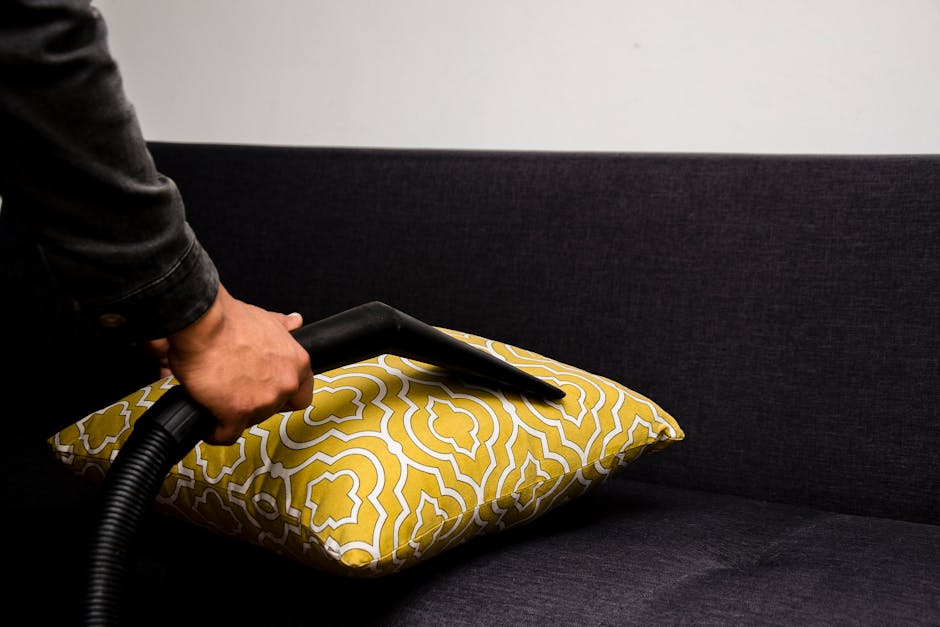
- Vacuum first - Dry soil should be removed before any wet process begins. It helps the cleaner focus on embedded grime instead of loose dust.
- Act quickly on spills - Blot, do not rub. Rubbing can push liquid deeper and spread the stain wider.
- Test cleaning products carefully - Especially if you are trying a home product before booking a professional.
- Use ventilation - Open windows where possible to help drying and reduce that damp-fabric smell.
- Protect cleaned areas afterwards - Avoid eating on the sofa straight away. A little common sense saves a lot of re-staining.
- Schedule cleaning before furniture looks dreadful - Preventive cleaning is usually easier and kinder to the fabric.
One small but useful tip: if a room feels stuffy, do not rush to use a heater directly on damp upholstery. People do it, of course, and then wonder why the fabric looks uneven later. Gentle airflow is the better option.
If you are comparing a broader home refresh, consider pairing upholstery care with curtain cleaning or, in homes with lots of foot traffic, steam carpet cleaning. Soft furnishings tend to age at different speeds, and sometimes one service alone is not enough to make the room feel properly reset.
Common Mistakes to Avoid
There are a few mistakes that come up again and again. Most are easy to avoid once you know what to watch for.
- Using too much water - Over-wetting can leave marks, slow drying, and affect fillings beneath the fabric.
- Scrubbing stains aggressively - That often damages the pile or spreads the stain.
- Ignoring care labels - They are not decorative. They matter.
- Assuming all fabrics can be cleaned the same way - They cannot.
- Waiting until odours are deeply set - The longer you leave it, the harder the job usually becomes.
- Booking on price alone - Cheapest is not always cheapest once a poor clean causes problems.
A surprisingly common issue is tackling a stain with a stronger product than the fabric can handle. It seems logical in the moment. It is not. A strong solution can bleach colour, leave rings, or set the stain further into the fibres. Bit annoying, that.
Another mistake is not asking about drying time. If you need the room the same evening, say so early. A cleaner can then tell you whether the timing is realistic or whether the job should be scheduled for another day.
Tools, Resources and Recommendations
You do not need much to keep upholstery in better condition between professional cleans, but the right basics help. Nothing fancy. Just sensible kit.
- Vacuum cleaner with upholstery attachment - Useful for regular dust and crumb removal.
- Soft brush - Handy for lifting pet hair from textured fabric.
- Microfibre cloths - Good for blotting spills gently.
- Plain white cloth or towel - Useful when you need to see how much residue is being lifted.
- Spot-testing habit - Always try any product in a hidden spot first.
- Notebook or phone notes - Keep a record of what was cleaned, when, and with what method, especially for valuable items.
From a service perspective, it is worth looking for a provider that is transparent about pricing, payment, and what is included. Clear expectations reduce misunderstandings. The pages on pricing and quotes and payment and security are helpful if you want to understand how a reputable business should present those details.
If sustainability matters to you, it is also reasonable to ask how waste water, cleaning products, and consumables are handled. The site's recycling and sustainability page offers a useful indication of how environmental thinking may be built into the service.
Law, Compliance, Standards, or Best Practice
For upholstery cleaning in a private home, the main concerns are safety, good workmanship, and sensible consumer practice rather than complex regulation. Still, it helps to know what best practice looks like.
In the UK, a professional cleaner should work in a way that is reasonably careful for the fabric and safe for the people using the home. That usually means:
- using suitable cleaning agents for the surface being treated
- testing where needed before full application
- explaining any risks such as colour loss, shrinkage, or extended drying time
- being clear about access, payment, and any limitations before work begins
- having appropriate insurance and safe working practices
If the work is in a rental property or a commercial setting, there may be additional expectations around presentation, safety, and timing. For example, seating in offices or waiting rooms may need cleaning outside business hours to avoid disruption. In those cases, a service such as commercial carpet cleaning may sit alongside upholstery work as part of a broader maintenance plan.
It is also worth reading the business terms carefully. Not glamorous reading, granted, but useful. The pages on terms and conditions, health and safety policy, and privacy policy are there for a reason. They tell you how the company handles practical and customer-facing matters.
Options, Methods, or Comparison Table
Not every fabric needs the same treatment. If you are trying to decide what kind of cleaning is appropriate, the table below gives a simple overview. This is not a substitute for a fabric inspection, but it is a useful starting point.
| Method | Best for | Pros | Watch-outs |
|---|---|---|---|
| Hot water extraction | Synthetic upholstery, deeper soil, everyday sofas | Thorough clean, good for embedded dirt and general freshness | May take longer to dry; not ideal for all delicate fabrics |
| Low-moisture cleaning | Delicate or lightly soiled upholstery | Faster drying, gentler on moisture-sensitive fabrics | May be less effective on heavy soiling |
| Foam or surface cleaning | Some fabric chairs and lighter maintenance cleans | Controlled application, often less saturation | May not reach deeper contamination |
| Targeted stain treatment | Specific spots or localised damage | Focused approach to problem areas | Not always enough for the full piece |
If the upholstery is part of a matched set, a whole-item clean is often better than only treating one stained patch. Partial cleaning can create a slightly uneven finish, which is the sort of thing that bothers people every time they walk past it. You notice it once, then you notice it forever.
Case Study or Real-World Example
Here is a realistic example from the sort of situation many households recognise.
A family in Dulwich had a three-seater sofa in a living room that faced the garden. It looked reasonably clean at first glance, but the right-hand arm had darkened from daily use, the seat cushions held crumbs from snacks, and there was a faint damp dog smell after wet walks in winter. They had tried fabric spray and a handheld steamer, which helped for a day and then not much else.
Instead of replacing the sofa, they booked a professional clean after checking the fabric type and asking about the method. The cleaner inspected the surface, pre-treated the armrests, used a controlled cleaning process, and advised on ventilation afterwards. The result was not brand-new magic, because no honest cleaner should promise that, but it was a very noticeable improvement. The sofa looked brighter, felt less sticky, and the smell had been reduced enough that the room felt pleasant again.
The main lesson? The right clean usually works best when the furniture is still structurally sound. That is often the sweet spot. Not spotless, not ruined, just in need of proper care.
Practical Checklist
Use this before booking or when preparing for a visit. Simple, but useful.
- Check the furniture care label, if there is one
- Note any stains, smells, or problem areas
- Vacuum loose dirt and crumbs
- Move small items and clear access around the furniture
- Ask what cleaning method will be used
- Confirm estimated drying time
- Ask whether the cleaner is insured
- Read the service terms before confirming
- Make sure windows can be opened for ventilation if needed
- Plan to keep pets and children off the item until it is properly dry
Quick reminder: the best results usually come from a proper fabric check, a suitable method, and a bit of patience while the item dries. Fancy? No. Effective? Very.
For readers comparing furniture care with other treatments, the related mattress cleaning and rug cleaning pages can also help you think through the broader home refresh, especially if you are tackling more than one room at a time.
Conclusion
If you have been wondering about Lordship Lane Dulwich upholstery cleaning what to know, the main answer is straightforward: choose the right method for the fabric, prepare the furniture sensibly, and expect honest guidance rather than miracle claims. That is the recipe for a clean that looks better, feels better, and lasts longer.
There is real value in understanding the process before you book. It helps you avoid damage, ask smarter questions, and decide whether your furniture needs a deep clean, a spot treatment, or simply better day-to-day care. And if the sofa in front of you has become a little too familiar with tea spills, pet hair, or the passing chaos of family life, you are not alone. Happens all the time.
If you are ready to take the next step, use the information above to compare your options, check the relevant service details, and speak to a provider who can explain the method clearly and calmly.
Get a free quote today and see how much you can save.
A well-cared-for room has a quiet kind of confidence about it, and honestly, that is hard to beat.
Frequently Asked Questions
What should I know before booking upholstery cleaning in Dulwich?
Start by checking the fabric type, the care label if available, and whether the item has stains, odours, or delicate trims. Ask what cleaning method will be used and how long drying may take. A good cleaner should explain the process in plain English, not hide behind jargon.
How often should upholstery be professionally cleaned?
That depends on use. A busy family sofa or pet-friendly home may need attention more often than a guest-room chair that is rarely used. Many people choose to clean upholstery when it begins to look dull, smell stale, or show visible soil rather than waiting for a fixed schedule.
Can all fabric sofas be steam cleaned?
No, not safely. "Steam cleaning" is often used as a general phrase, but some fabrics need low-moisture cleaning or another gentler method. Always check the fabric care instructions and ask the cleaner what is suitable for that specific piece.
Will upholstery cleaning remove pet smells?
It can reduce many pet-related odours, especially if the smell is mainly on the surface or in the fibres. If the odour has reached the padding or there has been repeated contamination, the job may be more involved. In those cases, a specialist odour treatment is often needed.
How long does upholstery take to dry after cleaning?
Drying time varies with fabric type, room ventilation, cleaning method, and weather. Some items may be touch-dry quite quickly, while others need longer. It is sensible to ask for a realistic estimate before the work begins.
Is it safe to clean antique or delicate furniture?
Sometimes, yes, but it needs extra care. Delicate or valuable items should be inspected first, and the cleaning method should be chosen conservatively. If in doubt, ask for a spot test and make sure the cleaner is insured.
What is the difference between sofa cleaning and upholstery cleaning?
Sofa cleaning is usually a more specific service focused on sofas and settees, while upholstery cleaning covers a wider range of furniture such as chairs, benches, ottomans, and dining seats. If you have several items, upholstery cleaning is often the broader term.
Will cleaning remove every stain?
Not always. Some stains are permanent, especially if they have set, been rubbed in, or reacted with previous cleaning products. A professional can often improve the appearance significantly, but honest expectations are important. If someone promises perfection instantly, be cautious.
Should I clean upholstery myself or hire a professional?
Light maintenance vacuuming and gentle blotting are fine at home. For deeper dirt, large stains, or valuable fabric, professional cleaning is usually safer. DIY products can help in some cases, but they can also make a stain harder to remove if used badly.
What should I ask before agreeing to a quote?
Ask what is included, which cleaning method will be used, whether pre-treatment is part of the job, how long drying may take, and whether the service is insured. It is also sensible to ask about payment, timing, and any limitations on certain fabric types.
Can upholstery cleaning help with allergies?
It may help reduce dust and other particles trapped in the fabric, which can improve the feel of a room. That said, it is not a medical treatment and should not be treated as one. The benefit is mainly in keeping soft furnishings cleaner and fresher overall.
What if my upholstery has already been cleaned badly?
If previous cleaning left rings, stiffness, or uneven colour, tell the next cleaner before work starts. They may be able to improve the result, but it depends on the damage. Sometimes the fabric can be corrected noticeably; sometimes the original mistake has left a lasting mark.